After a hospital stay, many people are eager to get home as soon as possible. However, going home right away is not always the safest option. Some people need additional medical support, therapy, and time to regain their strength before they can safely manage everyday life again.
That is where subacute rehabilitation can make a meaningful difference. This level of post-acute care is designed for people who no longer require hospital-level acute treatment or the intensity of therapy provided in an acute inpatient rehabilitation program but still require skilled nursing care and rehabilitation before they are ready to return home.
If you or a loved one has recently been hospitalized, understanding who benefits from subacute rehabilitation can help you make informed decisions during hospital discharge planning.
What Makes Someone a Good Candidate for Subacute Rehabilitation?
A good candidate for subacute rehabilitation is someone who is medically stable but still needs a less intensive rehabilitation schedule than acute inpatient rehabilitation, along with continued skilled nursing care or specialized medical treatment, to continue recovering. The goal is to help patients recover safely while improving independence and reducing the risk of complications or hospital readmission. ¹
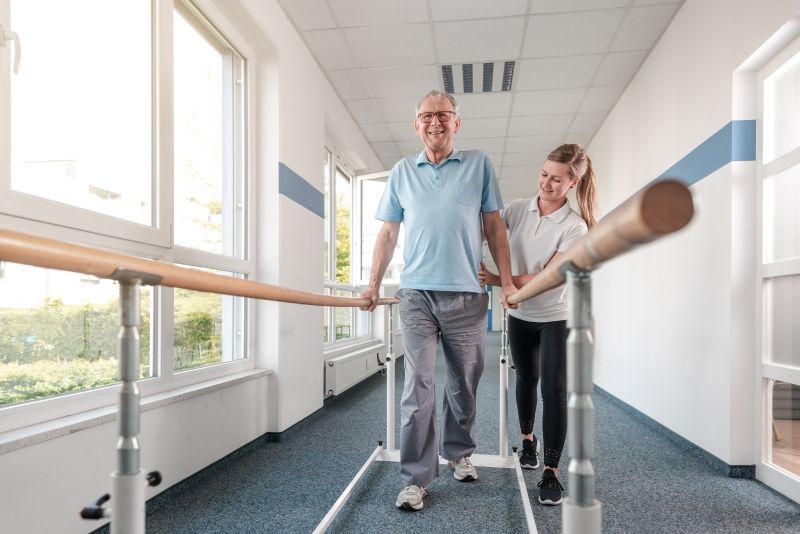
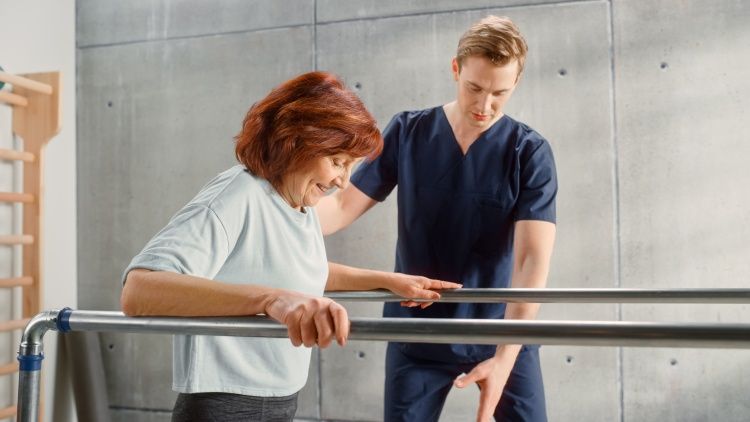
Many people receiving short term rehabilitation have experienced a significant illness, injury, or surgery that temporarily limits their ability to perform everyday tasks. They may need assistance with walking, getting dressed, bathing, preparing meals, or managing medications.
Typically, candidates for subacute rehabilitation:
- Are stable enough to leave the hospital
- Need ongoing skilled nursing care and rehabilitation
- Can participate in a personalized treatment plan
- Have recovery goals focused on improving their functional status and independence
Many skilled nursing facilities provide this type of specialized care through an interdisciplinary team that includes physicians, registered nurses, therapists, and other healthcare professionals.
Common Conditions Treated in Subacute Rehabilitation
Every person's recovery journey is different, but certain medical conditions commonly benefit from rehabilitation services after hospitalization.
Stroke Recovery
A stroke often affects strength, balance, speech, memory, and coordination. Recovery frequently requires a combination of physical therapy, occupational therapy, and speech therapy to rebuild lost skills and improve independence.
Because recovery continues well beyond the hospital stay, subacute rehabilitation provides a structured environment where patients receive daily therapy while medical professionals monitor their progress.¹
Joint Replacement Surgery
After a hip or knee joint replacement, many people are unable to safely navigate stairs, walk independently, or complete normal household tasks.
A rehab center helps patients rebuild strength, improve mobility, manage pain, and safely regain movement through individualized rehabilitation therapy. Therapists also teach strategies to reduce fall risk during recovery.
Orthopedic Injuries
Serious fractures and other orthopedic injury cases often require weeks of rehabilitation after surgery or hospitalization.
Patients recovering from broken hips, pelvis fractures, or multiple injuries may need:
- Physical therapy to improve strength and balance
- Occupational therapy to practice everyday tasks
- Ongoing pain management
- Monitoring by a care team for healing and medication management
Research shows that timely inpatient rehabilitation can improve functional recovery for older adults after hip fractures, including those living with dementia.²
Cardiac Recovery
After a heart attack, heart surgery, or other cardiac event, many people experience fatigue, weakness, and reduced endurance.
Cardiac recovery programs within subacute rehabilitation help patients gradually rebuild strength through monitored exercise, medication management, nutrition education, and close medical supervision. ³
Neurological Disorders
Recovery from many neurological disorders extends beyond the hospital stay. Conditions such as Parkinson's disease, traumatic brain injury, spinal cord injuries, and certain nerve disorders may benefit from ongoing rehabilitation.
Depending on the condition, patients may work with:
- Physical therapists to improve mobility
- Occupational therapists to increase independence with activities of daily living (ADLs)
- Speech therapy providers to address communication or swallowing concerns
These therapies are tailored to each individual's goals and abilities.
Pulmonary Rehabilitation
People recovering from pneumonia, COPD flare-ups, respiratory failure, or prolonged ventilator use may require pulmonary rehabilitation.
Specialized respiratory care, endurance training, breathing exercises, and medical monitoring help improve lung function while reducing the risk of future complications. ³
Complex Wound Care
Some patients leave the hospital with surgical incisions, pressure injuries, diabetic wounds, or other conditions requiring ongoing wound care.
Receiving treatment in a skilled nursing facility allows wounds to be monitored closely while patients also participate in rehabilitation. This coordinated approach helps support healing while improving mobility and overall recovery.
What Therapies Are Included?
One of the biggest advantages of subacute rehabilitation is the team-based approach to recovery. Depending on individual needs, rehabilitation services may include several different types of therapy. Learn about the differences between physical therapy and occupational therapy.
Rehabilitation services may include:
- Physical therapy to improve strength, walking, balance, and endurance
- Occupational therapy to practice dressing, bathing, cooking, and other activities of daily living (ADLs)
- Speech therapy for speech, swallowing, and cognitive challenges
- Medication management
- Ongoing physician oversight
- Nutritional support
- Pain management
- Care coordination for follow-up appointments and discharge planning
- Patient and caregiver education related to rehabilitation, medical conditions, medications, and dietary needs, as appropriate
The goal is not simply to treat a diagnosis but to help each person safely regain independence.
How Long Does Subacute Rehabilitation Last?
Every recovery timeline is unique. Some people stay only a few days, while others benefit from several weeks of therapy.
For individuals using Medicare, coverage for care in a qualifying skilled nursing facility may extend for up to 100 days if eligibility requirements continue to be met, although many patients are discharged much sooner once they have achieved their recovery goals. 1 If you're wondering how rehabilitation differs from ongoing nursing home care, our guide to Short-Term vs. Long-Term Skilled Nursing explains what each level of care is designed to provide.
Rather than focusing on a specific number of days, healthcare teams regularly evaluate progress and adjust each person's treatment plan as recovery continues.
Helping Patients Return Home Safely
The primary goal of subacute rehabilitation is to help patients regain enough strength, confidence, and independence to safely return home whenever possible.
Recovery often involves much more than healing from surgery or illness. It means rebuilding the skills needed for everyday life while ensuring medical needs remain well managed.
By combining expert therapy with ongoing skilled nursing care, these programs provide an important bridge between the hospital and home.
If your loved one has recently been hospitalized, asking whether subacute rehabilitation is appropriate can be an important part of creating a safe and successful recovery plan.
Get in Touch
Learn more about how subacute rehab at Graduate supports personalized care for patients in Philadelphia, PA. Contact us today to schedule a tour or speak with a member of our care team.